If more space sounds appealing, small acreage near Wynnewood may be exactly the kind of lifestyle shift you have in mind. You get room to spread out, a more rural daily rhythm, and land that can serve more than one purpose, but that freedom also comes with real upkeep and planning. If you are wondering what everyday life actually looks like on a few acres in this part of Garvin County, this guide will walk you through the practical side of living there. Let’s dive in.
Why small acreage feels different
Wynnewood is a small incorporated community in southeastern Garvin County, located at the junction of U.S. Highway 77 and State Highway 29. The Oklahoma Historical Society notes that it sits about 66 miles south of Oklahoma City, and the 2020 census counted 1,928 residents. That small scale helps explain why life here often feels rural and compact rather than suburban.
Garvin County itself covers 802.1 square miles of land, with a 2020 population of 25,656 and 12,081 housing units according to the Census Bureau profile. In everyday terms, that means more open ground, more distance between properties, and more homes that rely on the land around them. If you are moving from a neighborhood lot, even a few acres near Wynnewood can feel like a major change.
Land use around Wynnewood
Small acreage near Wynnewood often sits in a landscape shaped by agriculture. USDA’s 2022 County Profile shows Garvin County has 1,403 farms, with pastureland covering 279,539 acres and cropland covering 92,677 acres. Livestock, poultry, and related products make up 74% of the county’s agricultural sales.
That matters because acreage here is not unusual or purely recreational. It is part of a local pattern that includes residential-rural tracts, working land, and properties set up for animals or equipment. Buyers often look for a balance between a comfortable home and usable ground.
The same USDA profile shows that Garvin County includes a wide range of parcel sizes. About 26% of farms are 10 to 49 acres, 33% are 50 to 179 acres, and 20% are 180 to 499 acres. So if you are shopping for a smaller tract, you are still looking in a market where land utility is a normal part of property value.
Daily chores on a few acres
Living on small acreage usually means your to-do list extends well beyond the house itself. You may spend part of your week mowing, checking fence lines, managing brush, and watching how water moves across the property after rain. Those routine tasks often become part of the rhythm of ownership.
OSU Extension notes that healthy lawns and pasture areas depend on proper mowing, watering, fertilizing, and weed control rather than occasional cleanup. In practice, that means acreage owners often stay ahead of problems instead of waiting until growth gets out of hand. Fence rows, driveway edges, and open areas can all need regular attention.
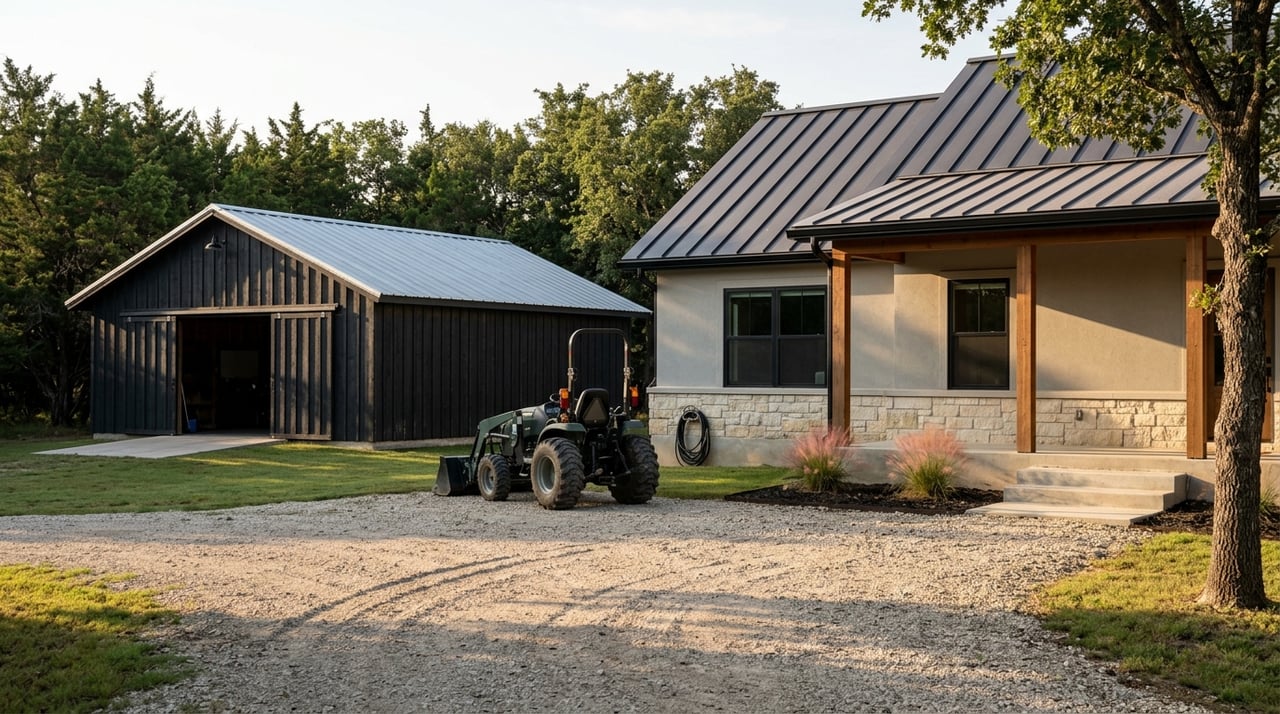
Even if your tract is modest, equipment often becomes part of normal life. Garvin County’s assessor lists examples of farm equipment that can include tractors, box blades, brush hogs, swathers, discs, cultivators, combines, and balers as taxable farm personal property. On smaller places, that may translate into a compact tractor, mower or brush hog, trailer, and fencing tools becoming everyday essentials.
Pasture and grazing realities
A lot of buyers picture a few open acres as easy pasture, but the reality can be more hands-on. OSU Extension says small acreage horse farms are difficult to manage and recommends limiting grazing time, rotating grazing areas, and protecting vulnerable ground from overuse. Some smaller properties function better as dry lots than as true pasture.
That guidance is useful even if you are not planning a full horse setup. Overgrazing, erosion, and muddy high-traffic areas can happen quickly on a small tract if animals stay in the same place too long. The land may look simple at first glance, but its day-to-day management matters.
Garvin County’s local agricultural profile supports this lifestyle picture. USDA reports 63,985 cattle and calves and 3,579 horses and ponies in the county. That means horse-ready or cattle-ready acreage is a realistic use case in the Wynnewood area, not a rare exception.
Fencing is an ongoing job
On small acreage, fencing is rarely a one-time project. Gates sag, corners shift, and problem spots show up where animals push or weather takes a toll. If the property includes multiple use areas, interior divisions can be just as important as the perimeter.
OSU notes that temporary electric fencing, polywire, and polytape are common tools for controlled grazing, and proper grounding is critical for fence performance. For many owners, that means fence checks and minor repairs become part of a regular routine. It is one of the clearest examples of how acreage ownership blends lifestyle with hands-on maintenance.
Water, septic, and service checks
One of the biggest differences between town living and rural property is the systems behind the home. OSU says thousands of Oklahoma residents rely on private wells, especially in rural areas that are not served by municipal or rural water systems. Septic systems can also be part of the setup on rural property.
That makes due diligence especially important when you are buying near Wynnewood. You will want to understand the water source, ask about septic condition and maintenance, and confirm what utilities or services reach the property. These are not minor details because they shape both your monthly routine and your long-term costs.
The Oklahoma Department of Environmental Quality also notes that homeowner maintenance is important for on-site sewage systems. In plain terms, acreage living often gives you more independence, but it also gives you more responsibility. Knowing how the property functions is just as important as liking the view.
Taxes and ownership basics
Acreage ownership also comes with county-level tax details that buyers and sellers should understand. Garvin County’s assessor records taxable real and personal property, inspects each parcel at least once every four years, and uses annual fair-cash-value estimates for ad valorem tax purposes. The office states that county tax rates generally vary from $65 to $100 per thousand in Garvin County.
If a property includes farm equipment or agricultural use, those details can affect what needs to be listed each year. Garvin County also states that livestock is not taxable in the county, but it still must be listed with equipment. For a buyer, this is another reminder that rural ownership includes systems and paperwork beyond the home itself.
Weather shapes the routine
Weather is part of daily planning on acreage, especially in southern Oklahoma. The Pauls Valley Mesonet station summary lists an annual average temperature of 62.5°F and annual precipitation of 35.74 inches. July and August average daily highs are around 94°F, which can influence mowing schedules, pasture stress, and outdoor work.
Storm preparation matters too. Oklahoma emergency management guidance says tornadoes are most common from March to May, and the state averages more than 50 tornadoes a year. For acreage owners, preparedness may include checking gates, securing loose items, planning for shelter, and cleaning up debris after storms.
What buyers should look for
If you are shopping for small acreage near Wynnewood, it helps to look past the home first impression and focus on how the property works. A pretty setting matters, but usability matters just as much. The right tract is often the one that fits your routine, budget, and long-term plans.
A few practical things to evaluate include:
- Fence condition and gate access
- Pasture layout and signs of overuse
- Water source and service availability
- Septic setup and maintenance history
- Mowing demands and brush control needs
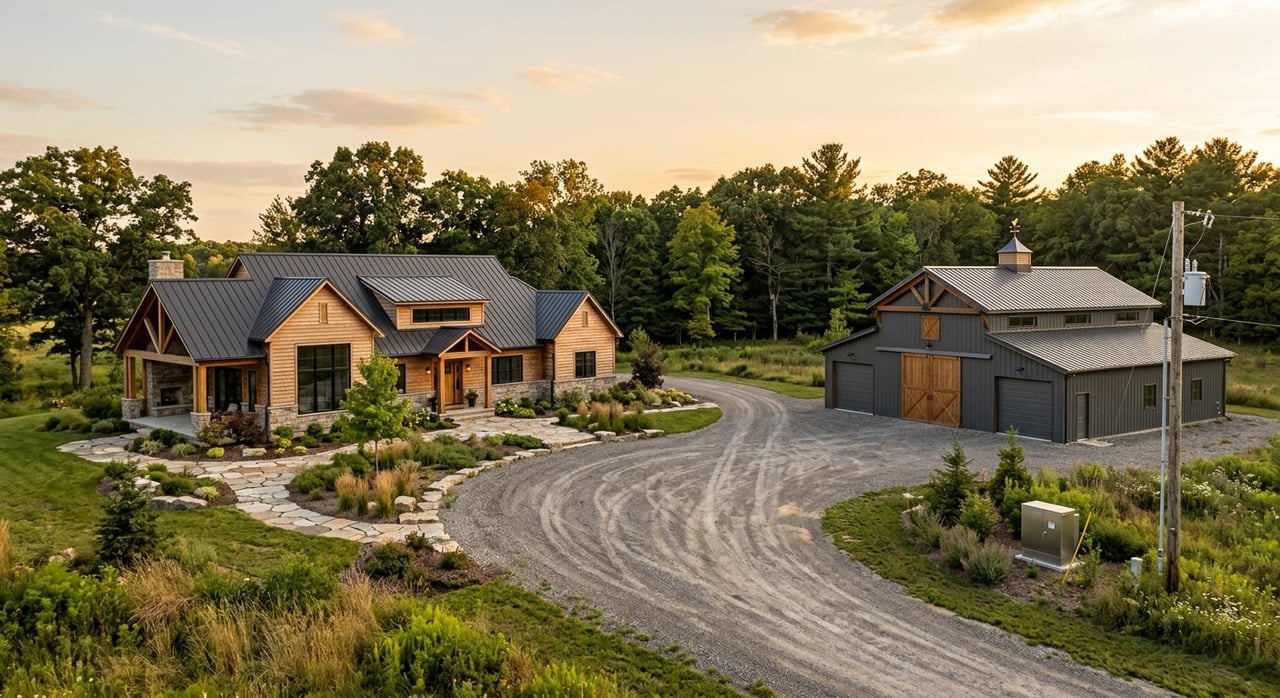
- Outbuildings, barns, sheds, or equipment storage
- Driveway condition and access in wet weather
- How much of the land is actually usable day to day
Older farmhouses, updated rural homes, and newer houses on acreage can all be part of the local mix. Garvin County valuation guidance compares properties by age, condition, and size, which supports the idea that housing styles and improvement levels can vary widely. A good property search is not just about acreage count. It is about how the land and home function together.
What sellers should keep in mind
If you are selling small acreage near Wynnewood, buyers are often trying to answer practical questions before they fall in love with the property. They want to know how the land is used, what systems are in place, and whether the upkeep feels manageable. Clear presentation and accurate pricing can make a big difference.
It helps to be ready with details about fencing, water, septic, outbuildings, access, and any recent improvements. A property with usable pasture, functional equipment areas, or horse- or cattle-suitable features may appeal to a very specific audience. Strong marketing should show both the lifestyle and the utility of the tract.
The everyday tradeoff is worth understanding
Small acreage near Wynnewood can offer privacy, flexibility, and a closer connection to the land around you. It can also ask more of you than a traditional in-town property, from mowing and fence work to system checks and storm prep. For many buyers, that tradeoff is exactly the point.
When you understand what daily life really looks like, you can make a better decision about whether a few acres fits your goals. And if it does, the right property can support both the way you want to live now and the way you want to use your land over time. If you are thinking about buying or selling small acreage near Wynnewood, Dustin Shields can help you evaluate the property, the land use, and the local market with practical guidance every step of the way.
FAQs
What is everyday upkeep like on small acreage near Wynnewood?
- Everyday upkeep on small acreage near Wynnewood often includes mowing, weed control, fence checks, brush management, driveway maintenance, and monitoring water or septic systems.
Can small acreage near Wynnewood work for horses or cattle?
- Yes, small acreage near Wynnewood can work for horses or cattle, but OSU guidance shows that smaller tracts need careful grazing management, and some are better suited to dry-lot use than full-time pasture.
What utilities should you check on rural property near Wynnewood?
- When you buy rural property near Wynnewood, you should confirm the water source, ask about septic condition and maintenance, and verify what utility and service connections are available at the property.
How does weather affect small acreage life near Wynnewood?
- Weather affects small acreage life near Wynnewood through summer heat, seasonal rainfall, storm cleanup, and tornado preparedness, especially in the spring months.
What should buyers evaluate on acreage near Wynnewood besides the house?
- Buyers should look closely at fencing, pasture layout, water access, septic setup, driveway condition, outbuildings, equipment storage, and how much of the land is usable for their day-to-day needs.