Looking for elbow room without feeling cut off from everyday convenience? That balance is exactly why many buyers take a closer look at Washington, Oklahoma. If you want a quieter setting, flexible property options, and practical access to nearby town centers, this area offers a lot to consider. Let’s dive in.
Why Washington Appeals to Rural Buyers
Washington is a small town in McClain County with a 2020 population of 673, according to the Oklahoma Department of Transportation city map. The town describes itself as an agricultural community, which helps explain its rural feel and open-land appeal. If you are drawn to small-town living, Washington fits that lifestyle naturally.
At the same time, Washington is not isolated. The town says it sits about ten miles northwest of Purcell on State Highway 24, which makes it easier to connect to nearby errands, services, and work routes. For buyers who want a calmer home base without giving up access, that location can be a real advantage.
City Access Starts With I-35
One of the biggest reasons Washington stands out is its relationship to the broader I-35 corridor. The Oklahoma Department of Transportation describes I-35 as a major route connecting Oklahoma City to the Texas state line and notes its central role in moving people and freight. That matters if your routine depends on regional travel.
ODOT also has active I-35 projects in McClain County near Goldsby and Norman, which shows how closely this part of the county ties into the south-central Oklahoma commute network. In practical terms, you can enjoy a more rural home setting while staying connected to larger job, shopping, and service hubs.
Acreage Options Are More Flexible
A common misconception is that rural living always means buying a large tract of land. In Washington, the current market shows a much wider range of options. Recent listings have included in-town properties around 0.25 and 0.32 acres, along with 0.66-acre and 1-acre lots, plus larger 3.5-, 5-, 10-, 12.12-, and 15-acre properties.
That mix gives you more room to match your budget and lifestyle to the right kind of property. You may want a manageable homesite with a little extra privacy, or you may be searching for space for equipment, animals, hobbies, or future improvements. Washington can support both paths.
Why Outbuildings Matter Here
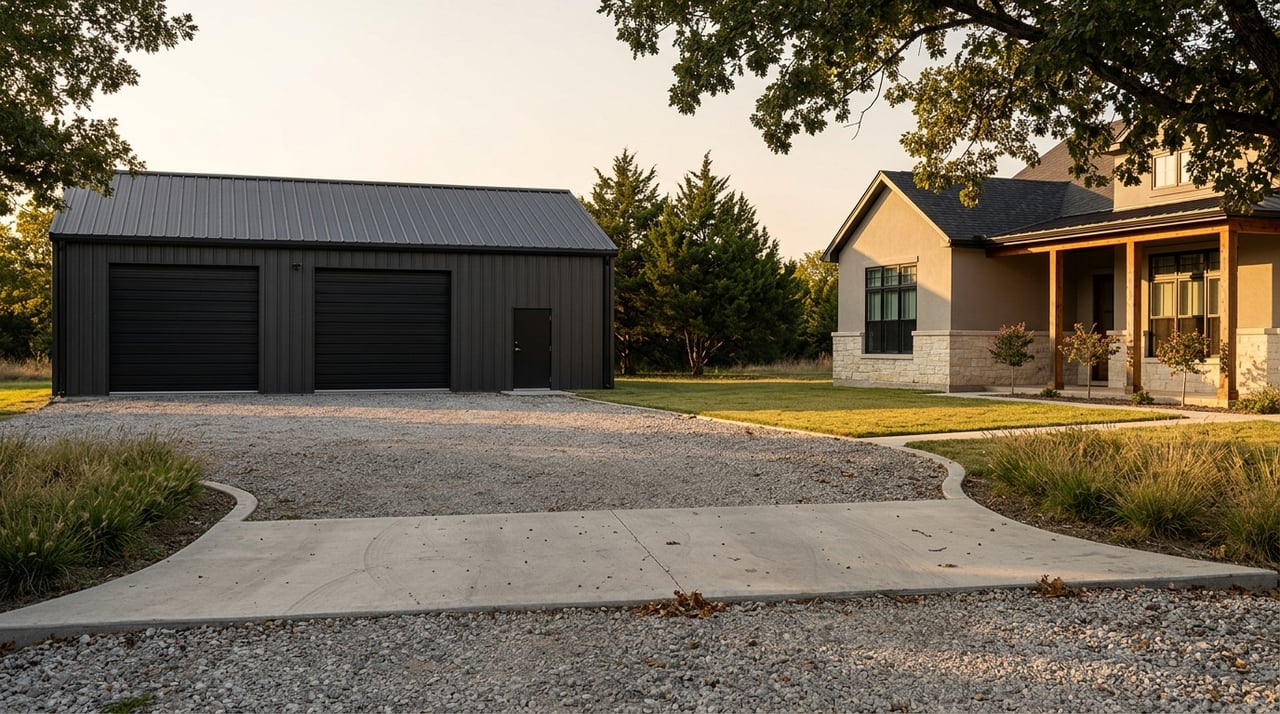
For many rural buyers, the land is only part of the story. The utility of the property matters just as much. Current area listings have included a 1.69-acre home with a 20 x 30 shop, as well as a 5-acre home with a 3,000-square-foot building and a 70 x 20 barn.
Those examples show why Washington can appeal to buyers who need more than a standard subdivision setup. A shop, barn, or larger accessory building can support storage, workspace, equipment needs, or a more flexible daily routine. If that is part of your goal, this market is worth a closer look.
Everyday Living Is Closer Than You Think
Small-town living works best when the basics are still within reach. Washington’s town website lists a useful set of local services, including utility billing, building permits and inspections, emergency services, water utilities, medical facilities, schools, and local government contacts. That kind of local infrastructure can make day-to-day life feel more practical than some buyers expect.
The town’s medical facilities page lists Warrior Wellness at 109 E. Kerby St., a locally owned clinic offering primary care for all ages, sick visits, preventive screenings, sports physicals, DOT physicals, and in-house testing. The schools page also lists Washington High School at 201 Kerby Ave. These are the kinds of details buyers often want to confirm early in their search.
Purcell and Norman Add Convenience
Part of Washington’s appeal is what sits nearby. When you need broader shopping, dining, or services, Purcell and Norman provide additional options. That gives you a quieter home environment without requiring every errand to happen in a major city center.
Destination Purcell highlights downtown shops, boutique shopping, eateries, a golf course, and I-35 access. Destination Norman describes Norman as home to many locally owned shops, restaurants, and services. For many households, that combination makes Washington feel both rural and functional.
What Buyers Should Check First
If you are considering a home with land in Washington, it helps to look beyond square footage and bedroom count. Rural properties often come with features that need a closer review, especially when shops, barns, or future additions are part of the plan. A little extra homework upfront can protect your budget and your long-term goals.
Start by focusing on practical questions like these:
- How much land do you actually want to maintain?
- Is the property set up for the way you plan to use it?
- Are there existing outbuildings, and how do they affect value and function?
- Will you want room for a future shop, barn, or expansion?
- What local planning, zoning, permitting, or inspection steps may apply?
Washington’s website includes planning and zoning resources, along with building permit and inspection information. That is especially helpful if you are evaluating a property for future improvements or accessory structures.
Financing a Home With Land
Financing can look a little different when a property includes acreage or nonstandard improvements. Fannie Mae says an eligible property must be residential in nature, legal in use, safe, sound, and structurally secure, while also aligning with residential highest and best use. It also notes that unique properties may require special consideration.
That does not mean homes with land cannot qualify for common financing. It does mean the details matter. If a property has unusual acreage, large outbuildings, or features that are less common in a typical neighborhood setting, your lender may take a closer look.
USDA May Be an Option
USDA Rural Development says its single-family housing programs may allow qualifying buyers to purchase or build with no money down in eligible rural areas, subject to income and property requirements. The USDA also says the address itself must fall within an eligible rural area and that final determination happens during the application review process.
For Washington buyers, that means each property should be checked individually. If USDA financing is part of your plan, it is smart to confirm eligibility early rather than assume every home in the area will qualify.
Compare Lenders Carefully
When you are shopping for financing, comparison matters. The Consumer Financial Protection Bureau says buyers should request Loan Estimates from three or more lenders. It also explains that the Loan Estimate is the standard three-page form showing key loan terms, including the interest rate, monthly payment, and closing costs.
This step is especially important for rural properties with land. A lender who handles standard suburban homes every day may view acreage and outbuildings differently than a lender with more comfort in rural property review. Comparing quotes and loan structure can help you avoid surprises.
Be Careful With Seller Financing
Some buyers come across seller-financed opportunities, especially in rural markets. The CFPB says a contract for deed is an installment purchase where the seller keeps legal title until the payments are complete, while the buyer usually handles taxes, insurance, repairs, and maintenance during the contract term.
That structure can carry more risk than a traditional mortgage. If a seller-financed option comes up, make sure you understand exactly how the agreement works before moving forward.
Is Washington the Right Fit for You?
Washington can make sense if you want more space, a quieter setting, and the flexibility that often comes with rural property. It may also fit if you want access to nearby services in Purcell and Norman while still coming home to a smaller community. The range of lot sizes and property types gives buyers more options than many people expect.
The key is finding a property that fits both your lifestyle and its practical use. In a market like Washington, details such as access, acreage size, outbuildings, and financing path can shape whether a home feels like the right move long term.
If you are weighing rural living with city access around Washington, working with a brokerage that understands both residential and acreage property can make the process much smoother. Dustin Shields helps buyers and sellers across southern and central Oklahoma with practical guidance rooted in local market experience.
FAQs
What is rural living like in Washington, Oklahoma?
- Washington is a small McClain County town with agricultural roots, a 2020 population of 673, and a setting that appeals to buyers looking for a quieter lifestyle with open-space appeal.
How close is Washington, Oklahoma, to Purcell?
- The town says Washington is about ten miles northwest of Purcell on State Highway 24, which helps support access to shopping, dining, and other everyday services.
Are there acreage homes available in Washington, Oklahoma?
- Yes. Current listings have included smaller in-town lots, 1-acre options, and larger properties ranging up to 15 acres, so buyers can find both compact and more expansive setups.
Can you find homes with shops or barns in Washington, Oklahoma?
- Yes. Recent listings have included homes with features such as a 20 x 30 shop, a 3,000-square-foot building, and a 70 x 20 barn, which can be useful for storage or workspace needs.
Is Washington, Oklahoma, good for commuters?
- Washington benefits from access to the broader I-35 corridor through nearby connections, which links this part of McClain County to larger regional routes and nearby town centers.
Can USDA financing work for a home in Washington, Oklahoma?
- It may, depending on the buyer, the property, and whether the address qualifies as an eligible rural area during the application review process.
What should buyers review before purchasing a rural property in Washington, Oklahoma?
- Buyers should look closely at acreage size, outbuildings, property use, future improvement plans, and any local planning, zoning, permit, or inspection requirements tied to the property.