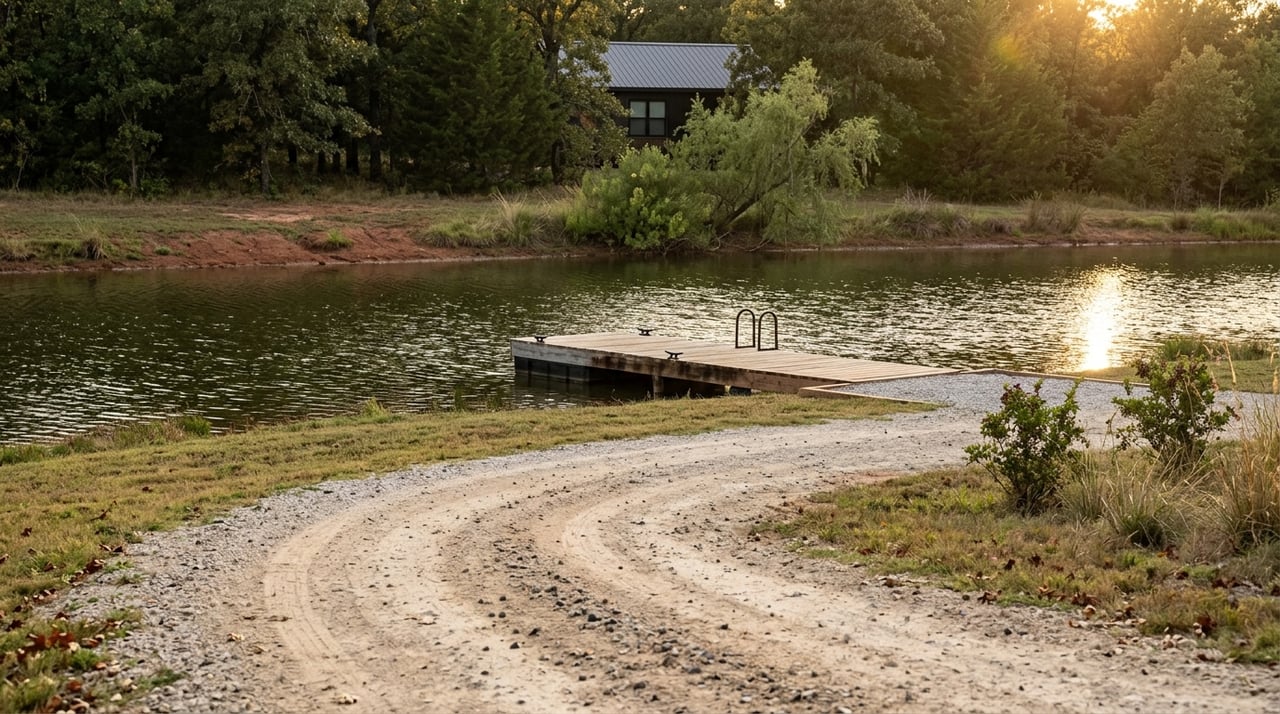
Wondering whether a piece of recreational land near Elmore City is truly a great buy, or just looks good in a listing? That is a smart question to ask before you commit to acreage that may be harder to use, improve, or resell than you expected. If you are looking for a weekend place, a hunting tract, or land with room for a future cabin or shop, knowing what to check upfront can save you time and money. Let’s dive in.
Why Elmore City Appeals to Land Buyers
Recreational land near Elmore City appeals to buyers who want open space, practical use, and access to outdoor time without giving up the basics that make a property functional. The local setting includes a compact road network, nearby streams, and Elmore City Lake, which gives you a clear reference point for how water and recreation fit into the area.
Elmore City Lake sits one mile north of town on SH 74 and one-half mile east on Kay Buse Parkway. According to the Oklahoma Department of Wildlife Conservation, it covers 67 acres with 2.4 miles of shoreline and includes fishing piers and a boat ramp. Fish of interest there include sunfish, bluegill, green sunfish, largemouth bass, and channel catfish.
The broader area also benefits from the draw of Chickasaw National Recreation Area. The National Park Service says it has six campgrounds, more than 400 campsites, and more than twenty miles of trails. That kind of regional recreation helps explain why buyers often want private land nearby for flexible weekend use.
Start With Access First
Before you focus on ponds, views, or wildlife, start with the most basic question: can you get to the property easily and use it in all seasons? Good recreational land usually has clear road frontage, a usable entrance, and enough room to move vehicles, trailers, or equipment without a struggle.
This matters around Elmore City because map lines do not always tell the full story. The Oklahoma Department of Transportation city map notes that road placement does not determine maintenance responsibility. That means you should verify legal and practical access through current records and by walking or driving the route yourself.
Once you are on the tract, internal circulation matters too. A property is more useful when you can reach hunting areas, water features, or a future cabin site without creating a new path every time you visit.
What to check for access
- Road frontage that is clear and easy to identify
- An entrance that works for pickups, trailers, or equipment
- Trails or internal roads that reach key parts of the tract
- Boundaries that are known or easy to mark
- Drainage conditions that do not cut off use after storms
Look For Mixed Habitat
The strongest recreational tracts usually offer more than one type of ground cover. Instead of one open field or one dense stand of timber, many buyers get more use from land that mixes timber, open areas, cover, and travel corridors for wildlife.
That approach fits the broader landscape around this part of Oklahoma. The National Park Service describes Chickasaw National Recreation Area as an ecotone where eastern deciduous forest and mixed-grass prairie overlap. In simple terms, that kind of habitat mix can support more wildlife variety and a more interesting outdoor experience than a uniform tract.
If you are comparing properties, pay attention to how the land lays out in real use. A tract with edge habitat, scattered cover, and open ground may offer better flexibility for hunting, wildlife viewing, trails, or simple weekend enjoyment.
Signs of useful habitat diversity
- Open ground mixed with timber or brush cover
- Natural transition zones between different vegetation types
- Areas that can serve as wildlife travel routes
- Ground that feels usable for more than one purpose
Study Water Features Closely
Water can be one of the biggest value drivers on recreational land, but not all water features perform the same way. A creek, pond, or drainage area may look attractive during a showing, yet function very differently in dry weather or after heavy rain.
If a tract has a pond or creek, ask whether the water holds through dry periods and whether the banks are stable. You should also look at depth, drainage patterns, and whether the setting supports long-term improvement. A water feature that constantly washes out or stays muddy may require more work than expected.
Elmore City Lake provides a useful local benchmark because it shows what managed water can look like in the area. ODWC notes brush piles, stockings, and fish surveys every five years there. On a broader county level, Pauls Valley Lake also shows how features like submerged timber, rock structure, aquatic vegetation, and brush piles can add recreation value.
Questions to ask about water
- Does the pond or creek hold water reliably?
- Are the banks stable or showing erosion?
- Is there enough depth for the intended use?
- How does runoff move across the property?
- Could the water feature be improved over time?
Evaluate Cabin and Shop Potential
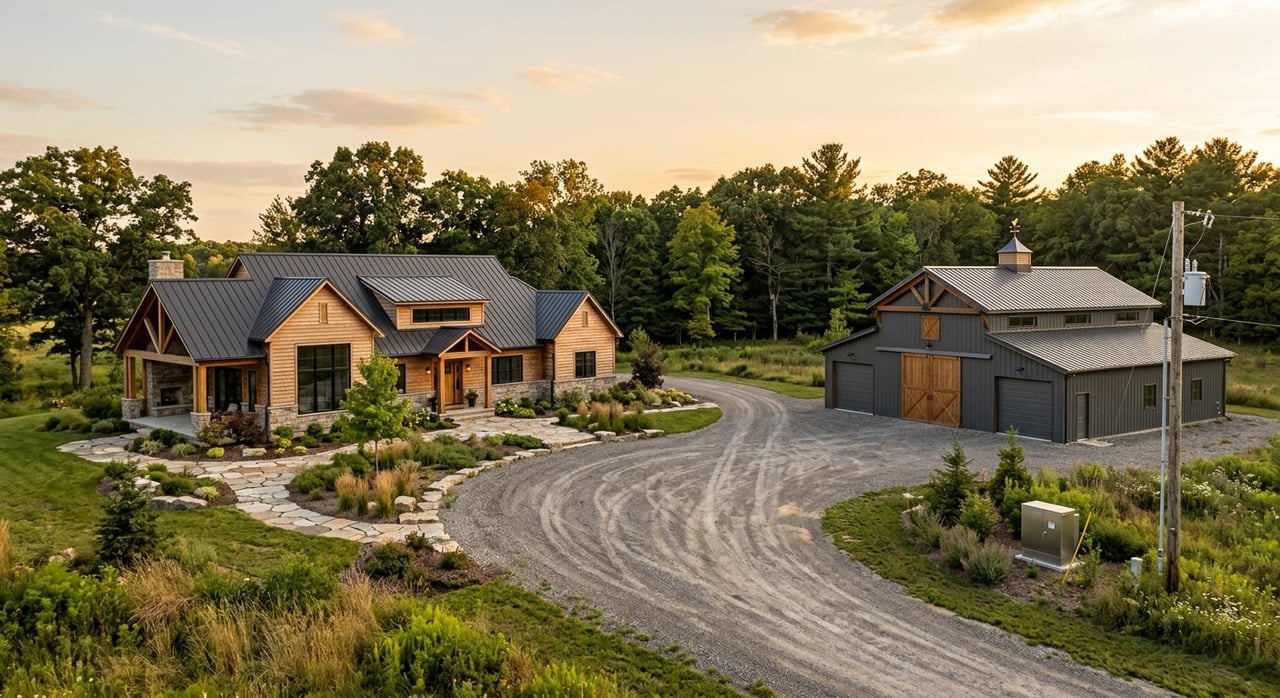
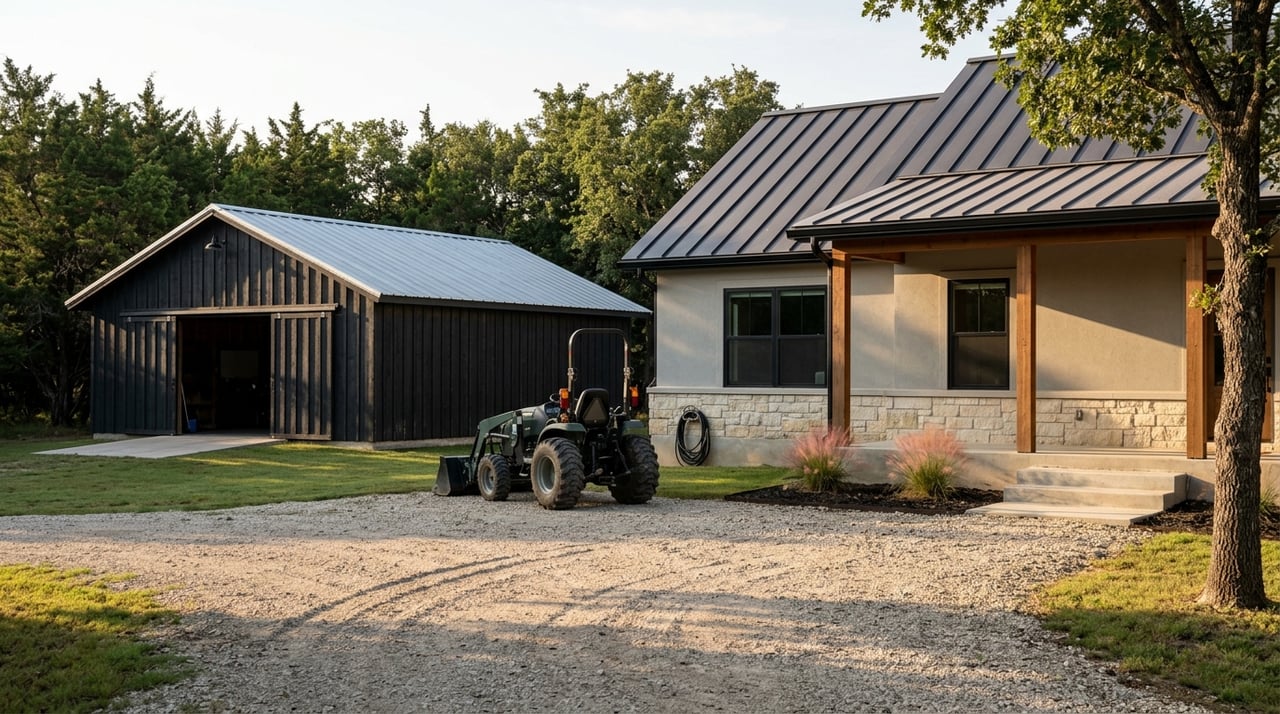
For many buyers, the land is only part of the decision. You may also want a place for a future cabin, shop, RV setup, or gear storage. That makes site selection just as important as the hunting or recreation side of the tract.
A private build site can be especially appealing in this area because Chickasaw National Recreation Area offers campgrounds but no cabins. If you want a more flexible home base for weekends, a tract with a realistic improvement site can stand out.
Still, never assume a spot is buildable just because it looks flat and open. Preliminary soil and drainage review matters, and septic feasibility should be confirmed before you treat the land like an improved property.
Improvement questions to answer early
- Is there a practical location for a cabin or shop?
- Do the soils and drainage support that use?
- Can the site handle driveway access and parking?
- Is there enough separation from low or wet ground?
- What would it take to prepare the site for future use?
Do Your Garvin County Due Diligence
Recreational land can vary a lot from one parcel to the next, even when the properties seem similar at first glance. That is why due diligence matters so much in Garvin County.
The Garvin County Assessor says it maintains records on taxable real and personal property, determines fair market value annually, and inspects each parcel at least once every four years. The office also notes that there are more than 20 millage rates in the county, and effective tax rates can vary by school district, city limits, and vocational-technical district. Tax bills are mailed in November.
That means two nearby tracts may not carry the same tax picture. Before you buy, confirm how the parcel is assessed and what the current tax setup looks like.
Key due diligence items
- Current property tax details and parcel records
- Legal access and on-the-ground access conditions
- Boundary clarity and acreage accuracy
- Floodplain and drainage review
- Soil and septic feasibility for planned improvements
Check Flood Risk and Drainage Early
Flood risk is easy to overlook when a property shows well on a dry day. That can become a costly mistake if the tract includes creeks, ponds, bottom ground, or low areas.
FEMA identifies the Flood Map Service Center as the official public source for flood hazard information. In south-central Oklahoma, seasonal thunderstorms add another reason to review floodplain conditions, driveway drainage, and erosion risk before closing.
Even if you do not plan to build right away, drainage still matters. It affects access, trail stability, pond health, and how much maintenance the property may need over time.
Understand Hunting and Fishing Use
If your goals include hunting or fishing, make sure the tract fits how you want to use it. Rules matter not only for your own plans, but also for guests and for the property’s long-term resale appeal.
ODWC says resident owners or tenants fishing private ponds on their own land are exempt from a fishing license. Resident landowners or tenants hunting or trapping only on land they own or agriculturally lease are also exempt from a hunting license. Nonresident landowners are not exempt simply because they own land in Oklahoma.
These details may affect how convenient a tract feels for family use, guest planning, or future ownership. It is a simple step, but one worth checking early.
Think About Long-Term Resale Value
A recreational tract should fit your current plans, but it should also make sense as a long-term asset. The same features that improve your weekend use often make the land easier to market later.
In Garvin County, that outlook fits the broader land base. The USDA 2022 county profile shows 1,403 farms and 428,025 acres in farms, with a large share in pastureland and woodland. That supports a market that understands acreage, fencing, pasture, and wildlife-friendly cover.
ODWC also notes that Oklahoma is more than 95 percent privately owned and that landowner assistance programs can evaluate habitat types and conditions. The department also says free technical assistance and cost-share opportunities may be available, and fisheries staff can help landowners work through issues like fish growth, vegetation, muddy water, and disease.
Another long-term value signal is whether a tract has traits that make it easier to manage and market. ODWC says OLAP hunting properties need public-road access, known or easily marked boundaries, and at least 40 acres. Even if you never plan to enroll, those same features often support stronger usability and resale potential.
A Simple Way To Compare Tracts
When you are looking at recreational land near Elmore City, it helps to score each property against the same core factors. That keeps you from overvaluing a single feature like a pond or nice view while missing bigger issues.
| Feature | Why It Matters |
|---|---|
| Access | A tract is only useful if you can reach and use it reliably |
| Habitat mix | Mixed cover and open ground often support more flexible recreation |
| Water | Water quality, reliability, and stability affect enjoyment and upkeep |
| Build potential | A usable site adds weekend comfort and future options |
| Drainage | Good drainage supports access, improvements, and lower maintenance |
| Boundaries | Clear boundaries make ownership and management simpler |
| Taxes | Parcel-level tax differences affect long-term holding costs |
The best recreational land is usually the property that checks the most boxes, not just the one with the flashiest feature. A tract that works well in real life often holds its value better over time.
If you are comparing land near Elmore City and want a grounded look at access, usability, and long-term fit, Dustin Shields can help you evaluate the details that matter before you buy.
FAQs
What should you check first when buying recreational land near Elmore City?
- Start with access, including road frontage, entrance usability, and whether you can reach the property and move around it in all seasons.
Why does mixed habitat matter on recreational land in Garvin County?
- Mixed habitat can support more flexible use for hunting, wildlife viewing, trails, and general enjoyment than a tract with only one type of cover.
How important is water on recreational land near Elmore City?
- Water is a major value factor, but you should verify whether it holds through dry periods, how it drains, and whether the banks and surrounding ground are stable.
Can you assume a cabin site on rural land near Elmore City is buildable?
- No. You should review soil and drainage conditions first and confirm septic feasibility before treating a site as ready for improvement.
Why do taxes vary between recreational parcels in Garvin County?
- The county assessor says effective tax rates can vary based on factors like school district, city limits, and vocational-technical district, so each parcel should be checked individually.
How can flood risk affect recreational land near Elmore City?
- Flood risk can affect access, erosion, pond performance, and future building plans, especially on tracts with creeks, ponds, or low ground.